What Are Kidney Stones?
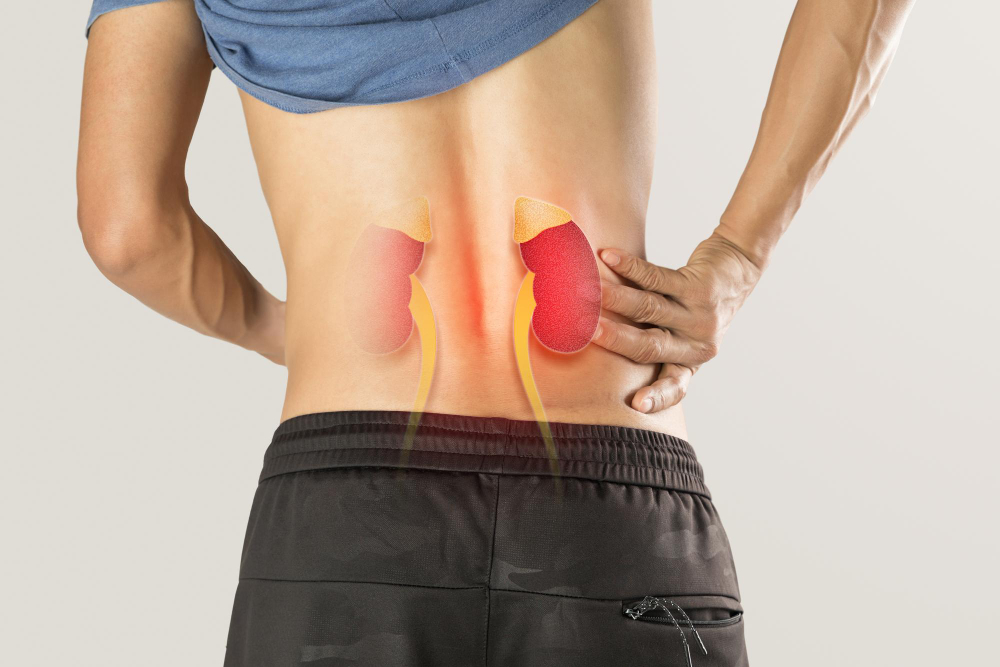
Kidney stones are hard lumps that form inside your kidneys. They develop when minerals and salts stick together in your urine. Often, these stones can cause pain when they move through your urinary tract. Because kidney stones are common, many people want to know how to prevent kidney stones and keep their kidneys healthy.
Why Prevention Matters
Preventing kidney stones is important for your health. Not only can kidney stones cause severe pain, but they may also lead to infections or blockages. In some cases, you might need medical treatment or surgery. Therefore, taking steps to reduce your risk of kidney stones can help you avoid these problems.
Top Tips to Prevent Kidney Stones
There are many ways to lower your risk of kidney stones. For example, simple changes in your daily habits can make a big difference. Here are some kidney stone prevention tips:
Dietary Recommendations
What you eat plays a big role in kidney stone prevention. In fact, a healthy diet for kidney stones can help lower your risk. Here are some dietary tips:
Lifestyle Changes
Besides diet, your daily habits also affect your kidney stone risk. For instance, making small lifestyle changes can help prevent stones. Consider these steps:
When to See a Doctor
Sometimes, kidney stones can cause serious problems. If you have severe pain in your back or side, blood in your urine, or fever and chills, seek medical help right away. Also, if you have a history of kidney stones, talk to your doctor about how to prevent them. Early advice can help you avoid future stones.
Conclusion & Call-to-Action
In summary, kidney stones can be painful, but you can take steps to prevent them. By drinking enough water, eating a healthy diet, and making smart lifestyle choices, you can reduce your risk. For the best advice, consult a urologist or healthcare professional for personalized guidance on kidney stone prevention.